
Z naszego bloga
-
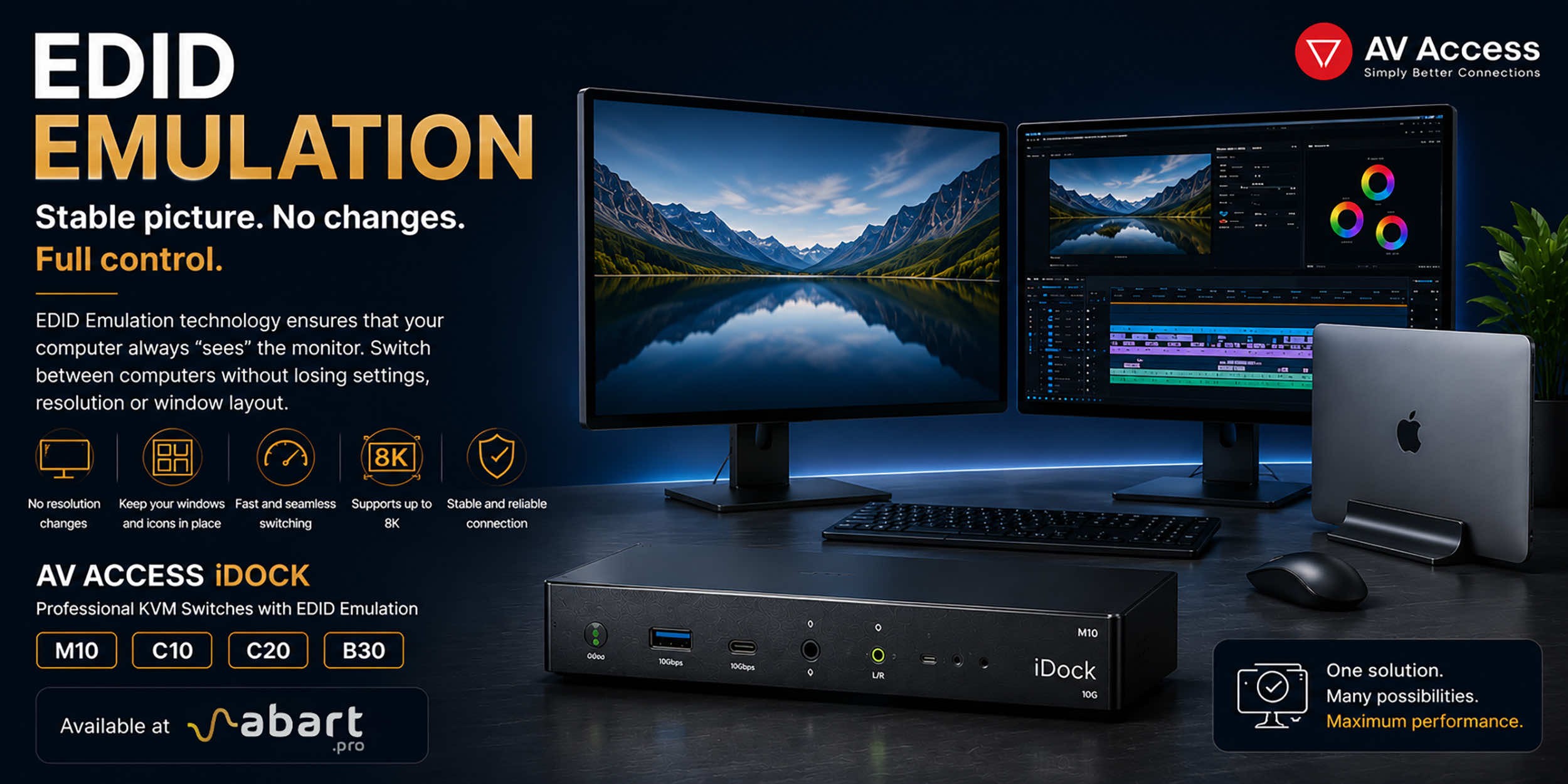 EDID Emulation – What Is It and Why Should You Choose AV...
When working with multiple computers using a KVM switch, one of the most common issues is the need to re-detect the monitor after switching the signal source. This can result in changes to the resolution, icons shifting on the desktop, application windows moving to different locations, and sometimes even a temporary loss of the image. The solution to this problem is EDID Emulation technology, available in professional AV Access iDock KVM switches offered by Abart Pro.
-
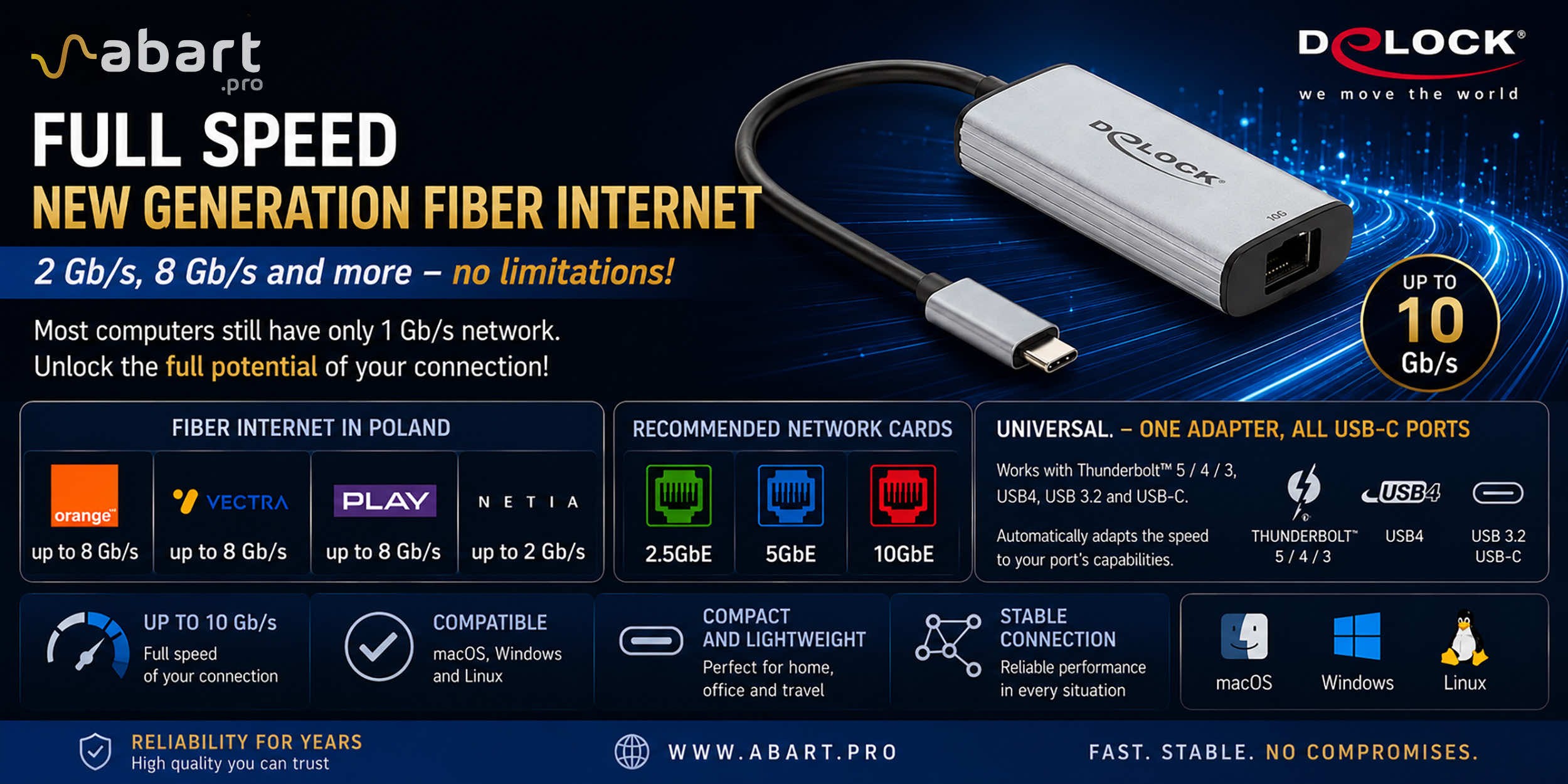 Internet światłowodowy 2 Gb/s, 8 Gb/s i więcej w Polsce –...
Just a few years ago, 1 Gb/s fiber-optic Internet seemed like a solution reserved for the most demanding business users. Today, the situation is completely different. More and more providers in Poland are offering connections exceeding 1 Gb/s, and Internet access with speeds of 2 Gb/s or even 8 Gb/s is becoming a reality for both home users and professionals.
-
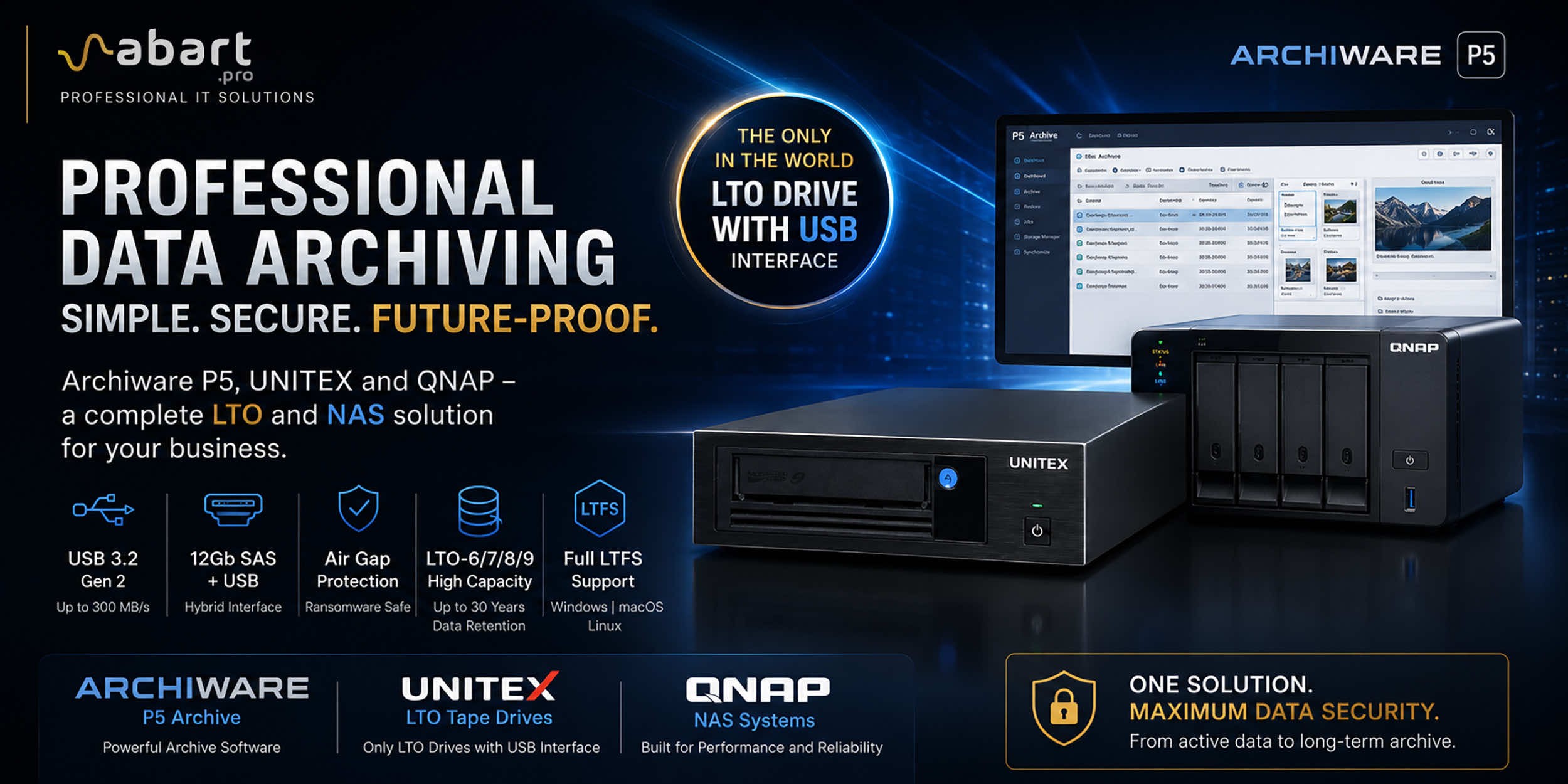 Archiware P5, UNITEX, and QNAP – a complete solution for...
Data Archiving Without Compromise – Archiware P5, UNITEX, and QNAP Create a Comprehensive Data Protection Environment In an era of growing data volumes and increasingly frequent ransomware threats, professional archiving is becoming an essential component of IT infrastructure. Companies involved in film production, photography, CAD design, scientific research, and public administration need a solution that is secure, easy to use, and cost-effective. The combination of Archiware P5 software, UNITEX LTO external drives, and QNAP NAS servers creates a comprehensive environment for long-term data archiving, eliminating many of the limitations of traditional solutions.
-
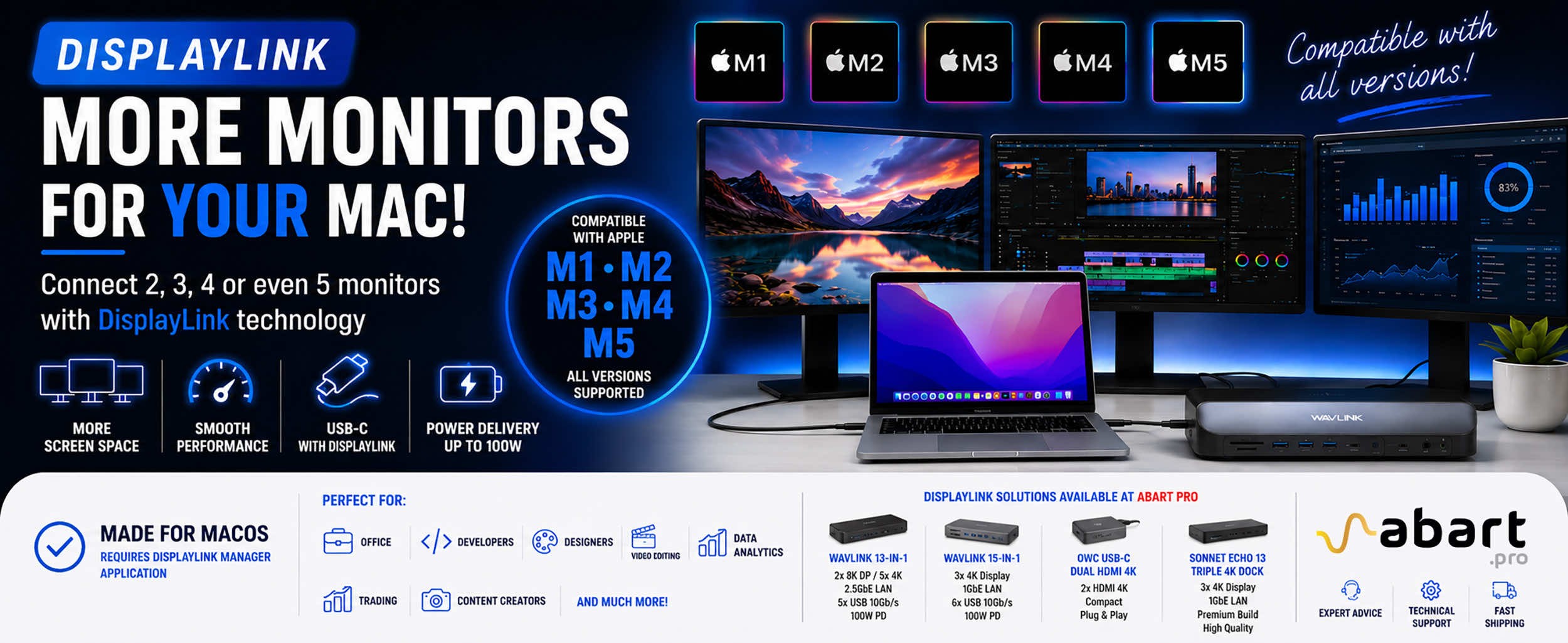 DisplayLink – How to Connect More Monitors to Apple Mac...
DisplayLink is a technology that easily expands the workspace of Apple Mac computers running macOS, PCs running Windows, and devices running ChromeOS and Android without compromising image quality or the performance of your Mac
Blog categories
Search in blog

Why don't eGPU graphics cards suffer from drastic performance losses?
At first glance, it may seem that connecting a high-performance graphics card via an external eGPU enclosure limited to a Thunderbolt 3, Thunderbolt 4, or USB4 interface with a port bandwidth of 40 Gb/s, or approximately 5 GB/s, should result in a significant performance drop. For comparison, a standard PCIe 4.0 x16 slot offers a bandwidth of up to 32 GB/s. Since the difference is more than sixfold, why are the actual losses in games and applications usually only 10%, reaching a maximum of 20%?
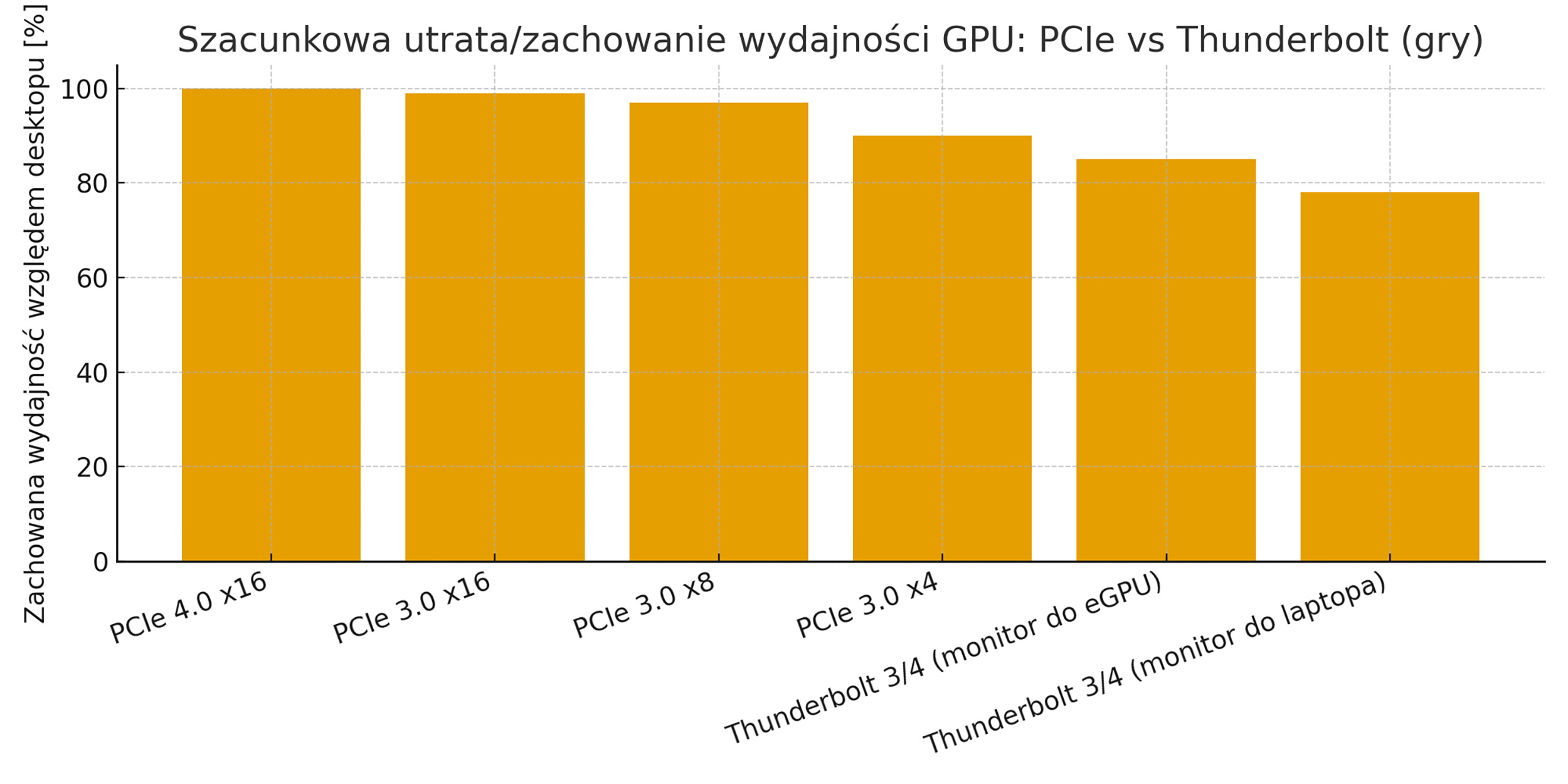
The answer lies in how a graphics card actually works and how it uses the PCIe communication bus. So:
1. The GPU does not need constant transfer at the maximum PCIe bus bandwidth
Contrary to appearances, a graphics card does not need to constantly exchange huge amounts of data with the computer's RAM. Textures, shaders, and buffers are loaded into the card's VRAM and remain there. The rendering process takes place locally in VRAM, without constant use of the PCIe bus. As a result, the limited bandwidth of Thunderbolt or USB4 rarely becomes a critical bottleneck.
2. The PCIe standard is oversized for the requirements of games and software such as CAD/CAM/GIS
The PCIe x16 interface provides a very large bandwidth reserve to meet the most demanding scenarios (e.g., scientific computing or GPU databases). Games and most 3D programs do not need the full speed of PCIe x16.
In practice, bus bandwidths are as follows:
- PCIe 3.0 x16 → 16 GB/s
- PCIe 3.0 x8 → 8 GB/s (differences in games are often minimal)
- PCIe 3.0 x4 → 4 GB/s (transfer similar to Thunderbolt 3, Thunderbolt 4, USB4)
This means that the eGPU works as if the card were inserted into a PCIe x4 slot – and in games, this usually translates into a difference of 10-15% rather than 60-80%.
3. Data transfer optimizations
eGPU systems and drivers ensure that unnecessary data transfer via the PCIe bus is limited. Data is buffered and transferred only once. The image can be displayed directly from the card (when the monitor is connected to the output directly on the card in the eGPU enclosure), which eliminates additional data transfer via the Thunderbolt or USB4 connector.
Transfers are prioritized and sometimes compressed. This makes the use of available bandwidth much more efficient than the speed of the connector alone would suggest.
4. Performance depends on the scenario in which the card is used in a Thunderbolt or USB4 eGPU enclosure
For GPU-bound games, performance drops are minor (5-10%) because the card is busy with calculations anyway. The efficiency of the enclosure + card combination is limited only by the power of the card itself.
For GPGPU/AI calculations, the differences can be much greater. Large data sets are exchanged with the CPU and RAM more frequently.
When connecting a monitor directly to a laptop (or using only the laptop's display), rather than to an external card in an eGPU enclosure, the additional image transfer via Thunderbolt or USB4 can cost an additional 5-15% performance loss.
Numerical comparison: PCIe vs. Thunderbolt
Below is a simplified summary of real-world bandwidth:
Standard, effective bandwidth (one side), and impact on gaming
- PCIe 4.0 x16, ~32 GB/s, 100% of base power
- PCIe 3.0 x16, ~16 GB/s, 97–100%
- PCIe 3.0 x8, ~8 GB/s, 95–99%
- PCIe 3.0 x4, ~4 GB/s, 85–95%
- Thunderbolt 3/4 USB4 (40 Gb/s), ~5 GB/s, 80–90%
As you can see, Thunderbolt and USB4 are roughly on par with PCIe 3.0 x4, which in gaming terms means moderate performance drops.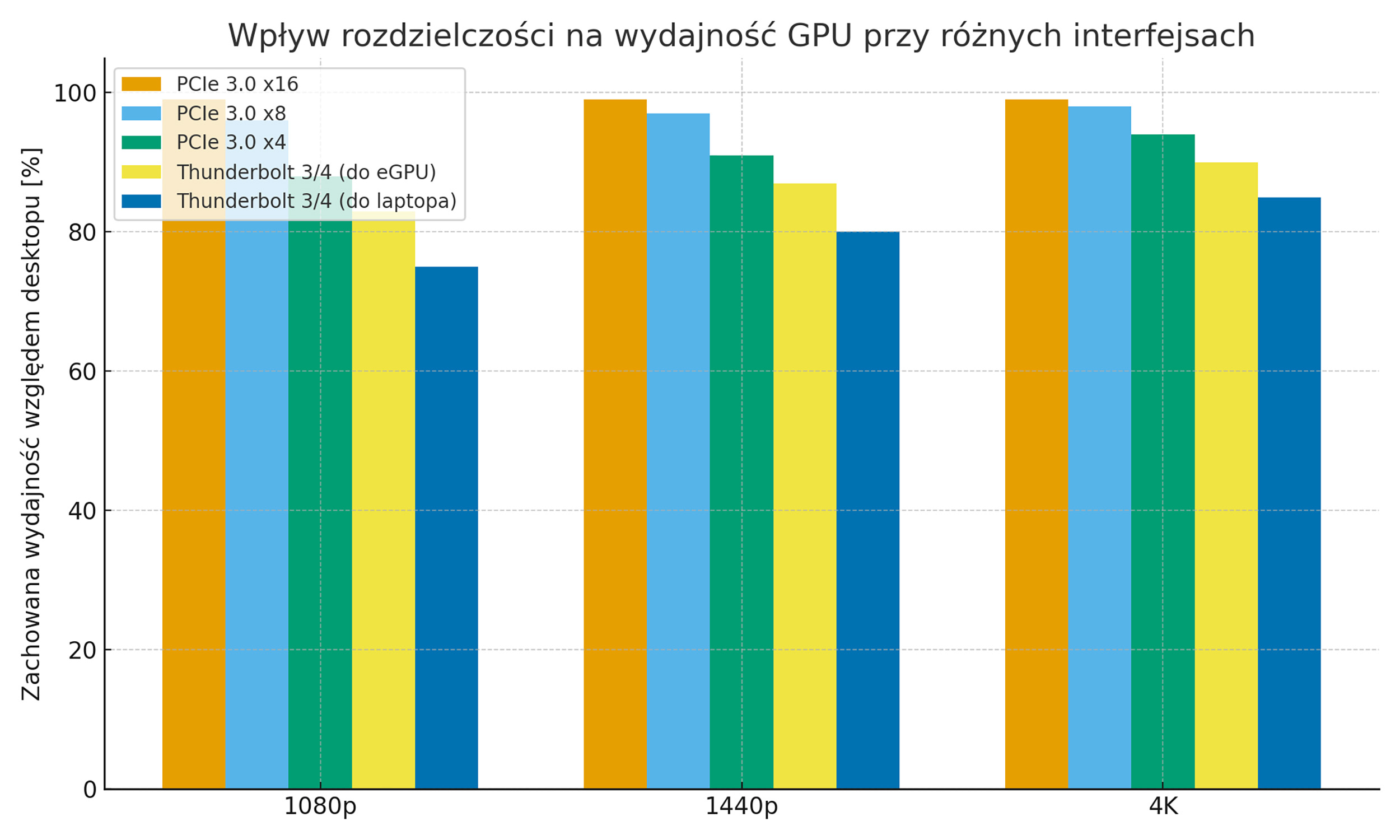
Summary
Although Thunderbolt 3, Thunderbolt 4, or USB4 offer significantly less bandwidth than PCIe x16, in practice, eGPU performance remains high because:
- most of the GPU's work is done in the card's VRAM,
- games do not need the full performance of the PCIe interface,
- high-performance transfer optimizations are used,
- the real bottleneck in games is usually the computing power of the card, not the interface.
Therefore, even very powerful cards connected via eGPU can offer 80-90% of their “desktop” power, which makes this solution very useful for laptops and mobile workstations.
We invite you to familiarize yourself with the range of enclosures and ready-made eGPU solutions offered by Abart Pro. We offer eGPU enclosures such as
On request, we also configure complete eGPU sets, i.e., Thunderbolt | USB4 enclosure and graphics card.
Related posts
-
 Nowość! Stacja dokująca od Sonnet z dwoma zatokami na dyski NVMe
Sonnet has released the latest docking station enabling the installation of two PCIe NVMe M.2 2280 drives with a...Read more
Nowość! Stacja dokująca od Sonnet z dwoma zatokami na dyski NVMe
Sonnet has released the latest docking station enabling the installation of two PCIe NVMe M.2 2280 drives with a...Read more -
 Trzy wyświetlacze do Apple Mac z M1/M2/M3? To nie problem!
We know perfectly well how good Apple processors from the M1, M2 and M3 families are. These systems used in Apple...Read more
Trzy wyświetlacze do Apple Mac z M1/M2/M3? To nie problem!
We know perfectly well how good Apple processors from the M1, M2 and M3 families are. These systems used in Apple...Read more -
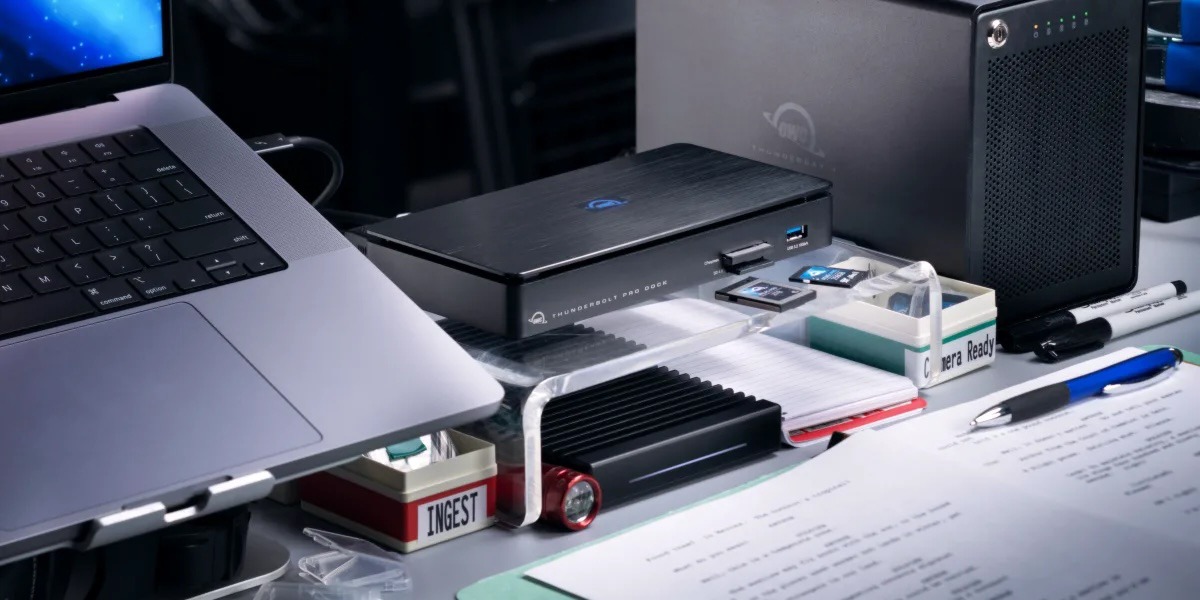 OWC Thunderbolt Pro Dock - The best docking station for professional developers
OWC Thunderbolt Pro Dock – high throughput and flexibility for demanding professionals working with high resolution...Read more
OWC Thunderbolt Pro Dock - The best docking station for professional developers
OWC Thunderbolt Pro Dock – high throughput and flexibility for demanding professionals working with high resolution...Read more -
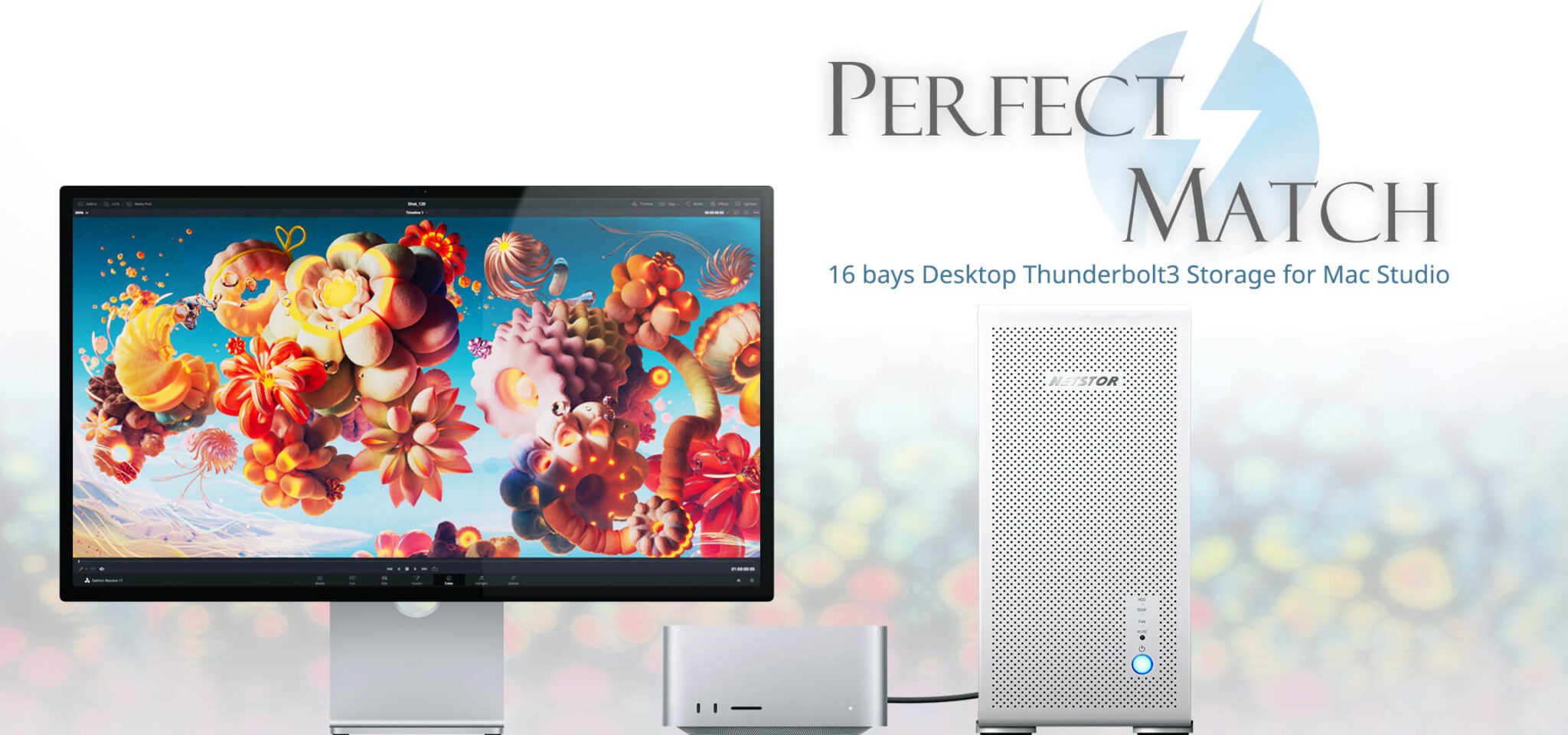 Do 320TB w sprzętowym RAID poprzez port Thunderbolt. Z Mac Studio idealna para!
Netstor NS780TB3 is a 16-bay enclosure that allows you to connect up to 320TB of fast mass storage to a computer...Read more
Do 320TB w sprzętowym RAID poprzez port Thunderbolt. Z Mac Studio idealna para!
Netstor NS780TB3 is a 16-bay enclosure that allows you to connect up to 320TB of fast mass storage to a computer...Read more -
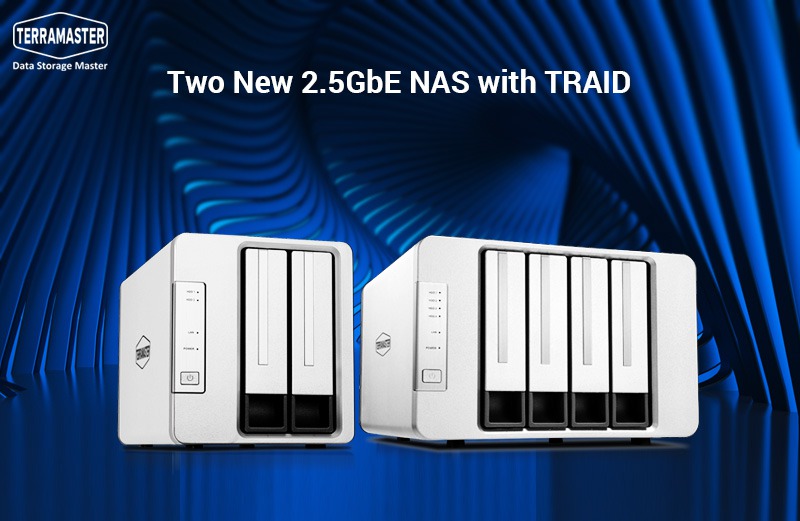 Nowe NASy od TerraMaster z 2x 2,5GbE i zatokami na 2x M.2 SSD
The new TerraMaster F2-223 and F4-223 NAS devices support TRAID. This is a flexible disk array management tool...Read more
Nowe NASy od TerraMaster z 2x 2,5GbE i zatokami na 2x M.2 SSD
The new TerraMaster F2-223 and F4-223 NAS devices support TRAID. This is a flexible disk array management tool...Read more
Leave a comment