
- favorite 0 likes
- comment 0 comments
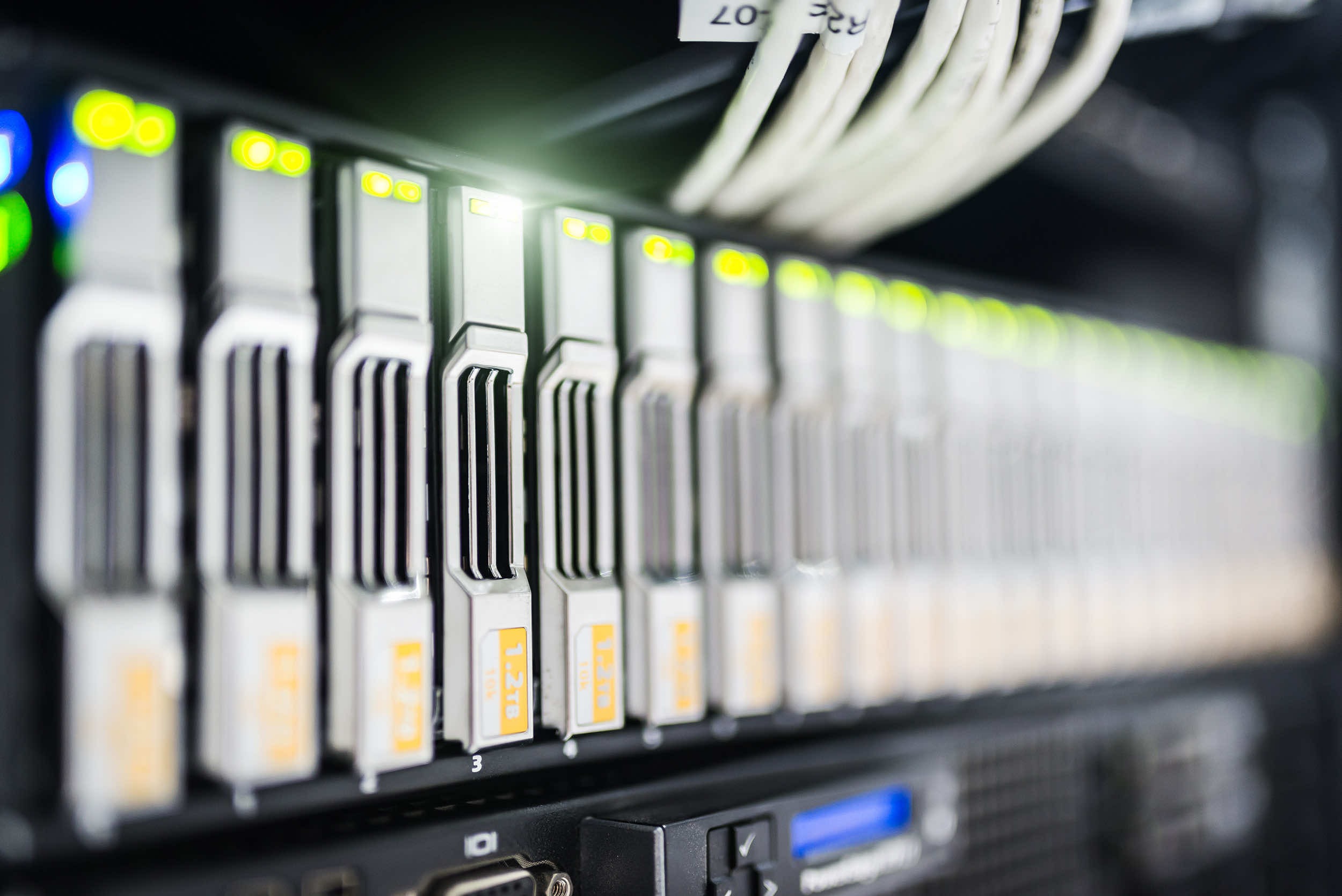
Unprecedented dynamics in the global market are driving up costs in the mass storage industry, both for finished RAM and disks and for the components used to manufacture them. Current estimates indicate that this pressure will continue throughout 2026. This is due to a combination of growing demand for high-performance memory in artificial intelligence infrastructure and data centers, limited supply, and continued price increases for DRAM and NAND flash memory.
What is causing these increases
The foundations of modern storage—DRAM, NAND flash, and traditional hard drives—are under pressure from multiple fronts.
Industry analysts predict that contract prices for DRAM memory will rise by as much as 55-60% quarter-on-quarter in early 2026, with demand for DRAM memory for servers particularly strong as cloud and artificial intelligence operators secure capacity ahead of other market segments. As TrendForce notes, server and AI buyers are increasingly securing supplies in advance, leaving less capacity for consumer and professional markets.
At the same time, analysts warn that AI data centers could consume most of the available memory resources in 2026, fundamentally changing how capacity is allocated across the industry. Windows Central describes this trend as AI infrastructure “consuming memory on a scale unseen in previous cycles,” limiting availability and keeping prices high for longer than typical boom-and-bust patterns.
NAND flash memory prices are exhibiting similar behavior. Some market observers now describe NAND trends as “structural rather than cyclical,” pointing out that suppliers are deliberately limiting bit growth and prioritizing higher-margin segments rather than pursuing volume growth. In practice, this reduces the likelihood of prices returning to historic lows, even if demand in other areas declines.
These forces are not limited to SSD components. Traditional hard drives—still widely used for mass data storage and backup—have also seen significant price increases. According to Tom's Hardware, average HDD prices have risen by about 46% since the end of 2025 as a result of supply constraints, logistical pressures, and renewed demand from large data processing companies.
All of these components — DRAM, NAND flash memory, and HDDs — form the basis of professional external storage systems. Unfortunately, all IT companies are feeling the effects of these changes.
A note on value and long-term investments
One reality of today's market is that even so-called “budget” storage is no longer cheap. As component costs rise, the gap between lower-quality options and professional storage continues to narrow—often without a commensurate increase in reliability or performance.
In an environment where storage is both more expensive and more difficult to replace, treating it as disposable carries more risk than ever.
Consumer and PC market analysts share this concern, noting that rising memory and component costs are already driving up device prices without necessarily improving durability or longevity.
For professionals, storage isn't just capacity—it's infrastructure. Choosing tools designed for consistent performance and long-term reliability becomes even more important when every part of the supply chain is under pressure.
The outlook for the future
This is not a short-term fluctuation. Analysts widely expect these market conditions to continue at least through 2026, as artificial intelligence, cloud infrastructure, and large-scale data deployment continue to transform how memory and storage capacity is produced, allocated, and priced.
We believe transparency matters, especially in times like these. As the situation evolves, we will continue to share up-to-date information and provide clear context on pricing and availability—and we will continue to focus on helping our customers find the best solutions.
Comments (0)